2026 - Cable lines / 28.04.2026

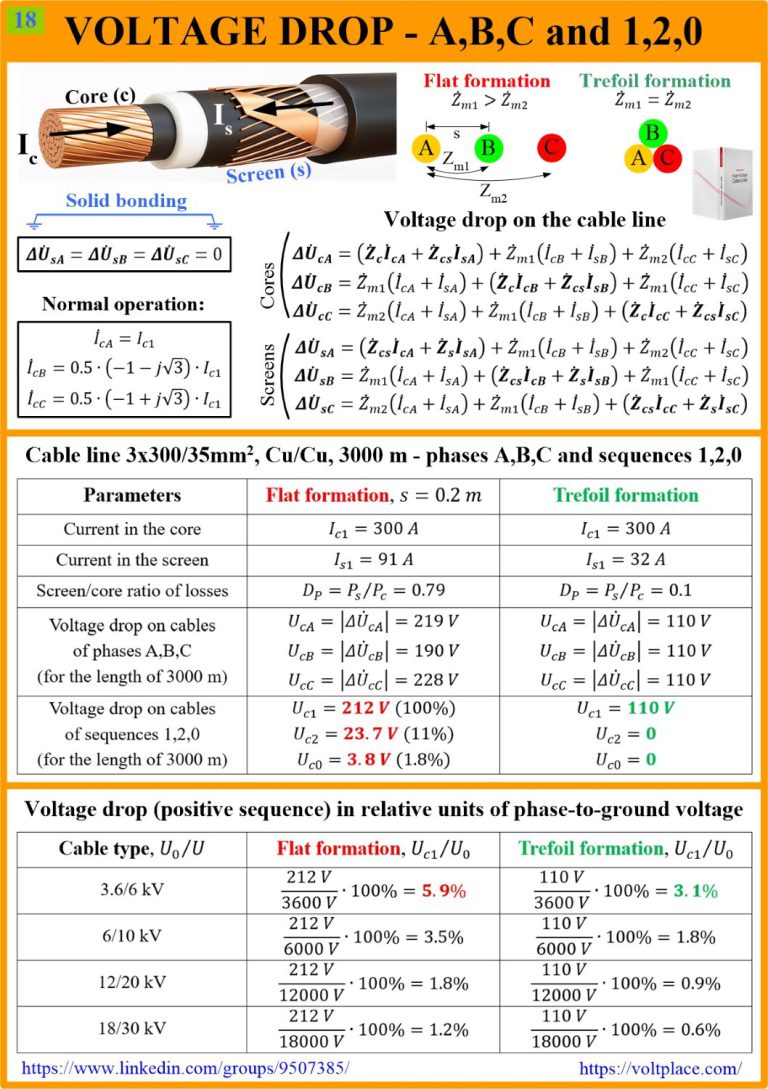
Voltage drop on the cable line

The voltage at the ends of the line may differ from each other. This is due to the fact that the line has an active-inductive impedance, which causes a voltage drop from the following currents:✅ the load current passing through the line to consumers.✅ the capacitive current generated by the line and passing from the
Read More
2026 - Cable lines / 23.04.2026

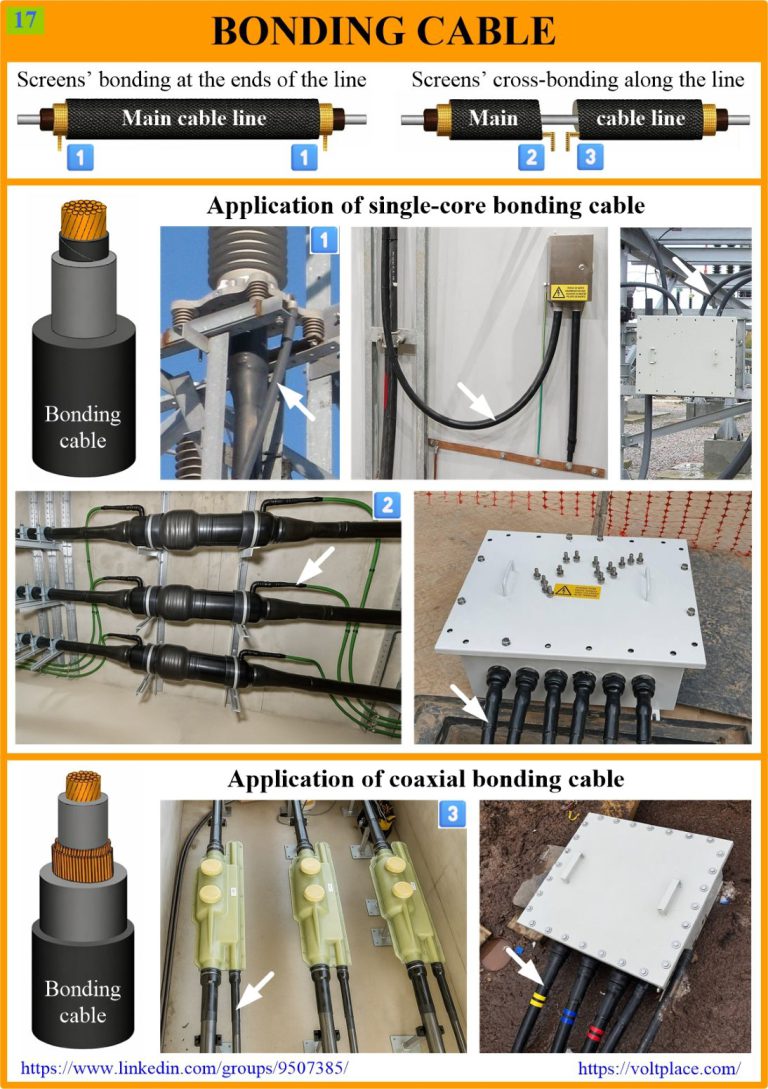
Rated voltage of the bonding cable

What is the rated voltage of the bonding cable? Let us talk about this. Recall that bonding cable is usually necessary to connect the screens of the HVAC line built with single-core cables. There are 3 most known cases:1️⃣ Terminations. The connection of each termination to the box is made by a single-core bonding cable.

Read More
2026 - Cable lines / 15.04.2026

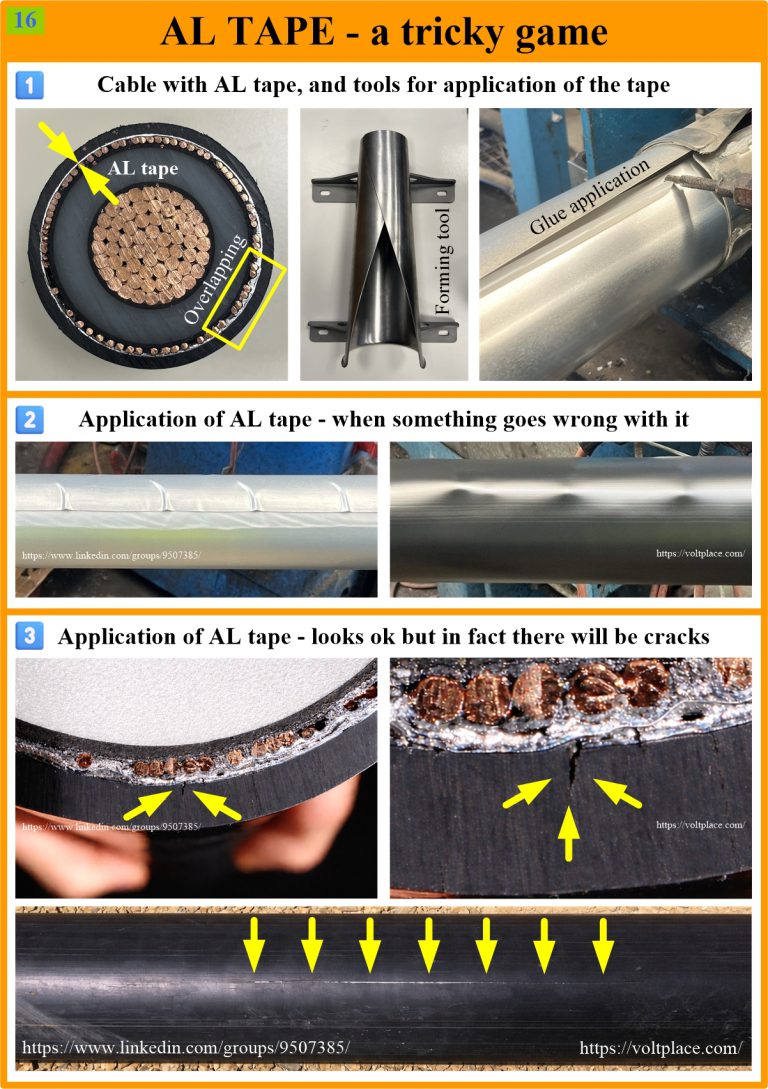
Aluminium tape over the cable screen

The design of high voltage cables is quite elegant, and therefore it seems simple. In fact, the apparent simplicity hides hundreds of big and small problems, as well as years of research by a large number of specialists, hundreds of kilometers of bad-quality cable thrown in the trash, and significant economic losses for all market

Read More
2026 - Cable lines / 09.04.2026

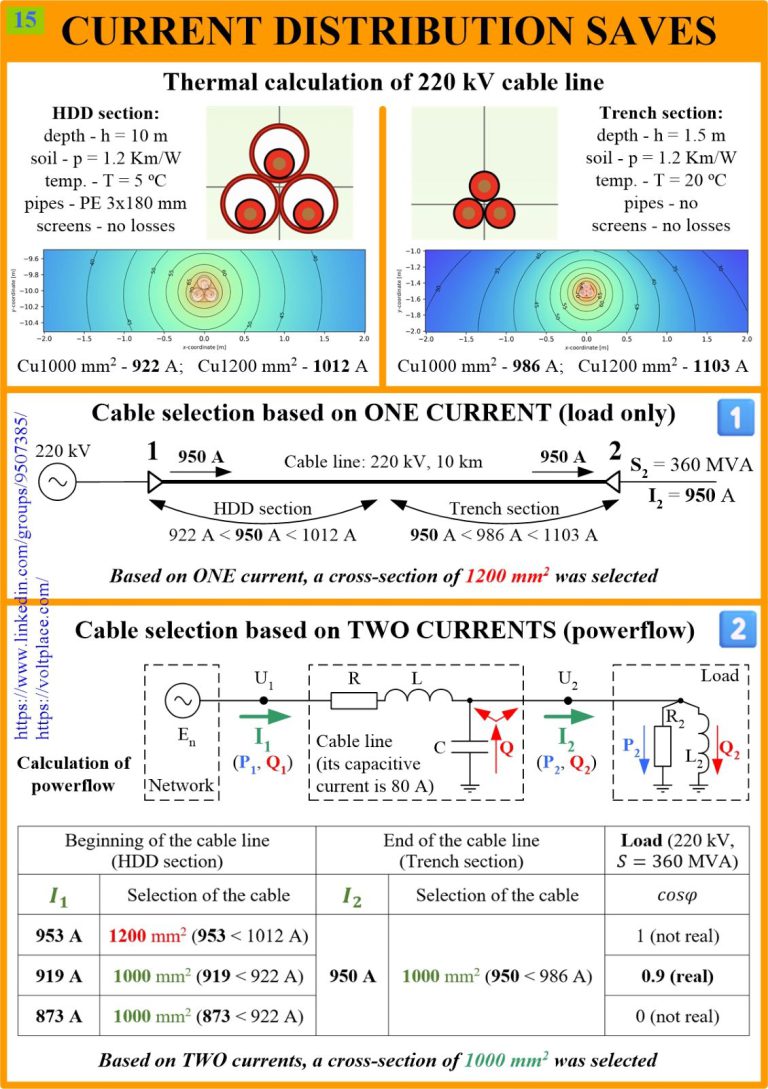
Cable selection based on powerflow

We have good tools for thermal calculation of cables (IEC 60287), and we think we are getting accurate calculation results. Unfortunately, truly accurate results are only possible if we have accurate input data. Today, let’s give an example of why the normal mode current that customers give us is in some cases insufficient to correctly

Read More
2026 - Cable lines / 01.04.2026

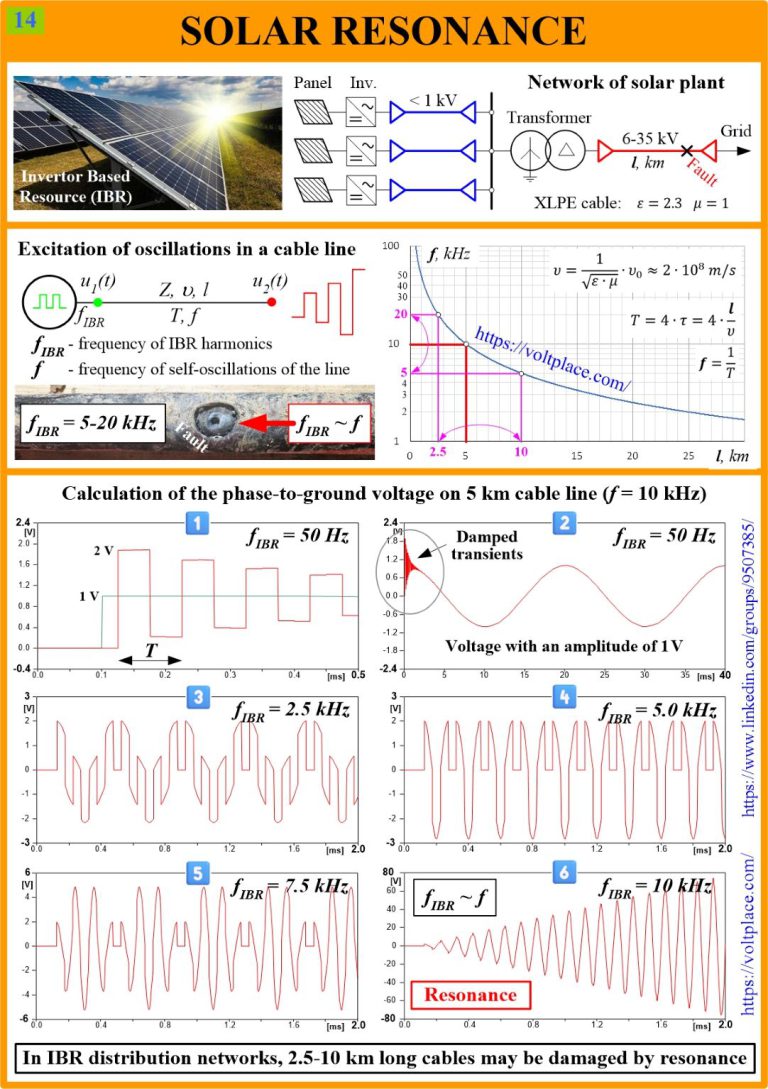
Cable damage due to inverter harmonics

The number of renewable sources is increasing. If we talk about solar parks, some of them have already reached a capacity of hundreds MW and export power at a voltage of up to 400 kV. However, the basis of solar parks, consists of low-voltage DC cables and medium-voltage AC cables. What problems are known for

Read More
2026 - Cable lines / 25.03.2026

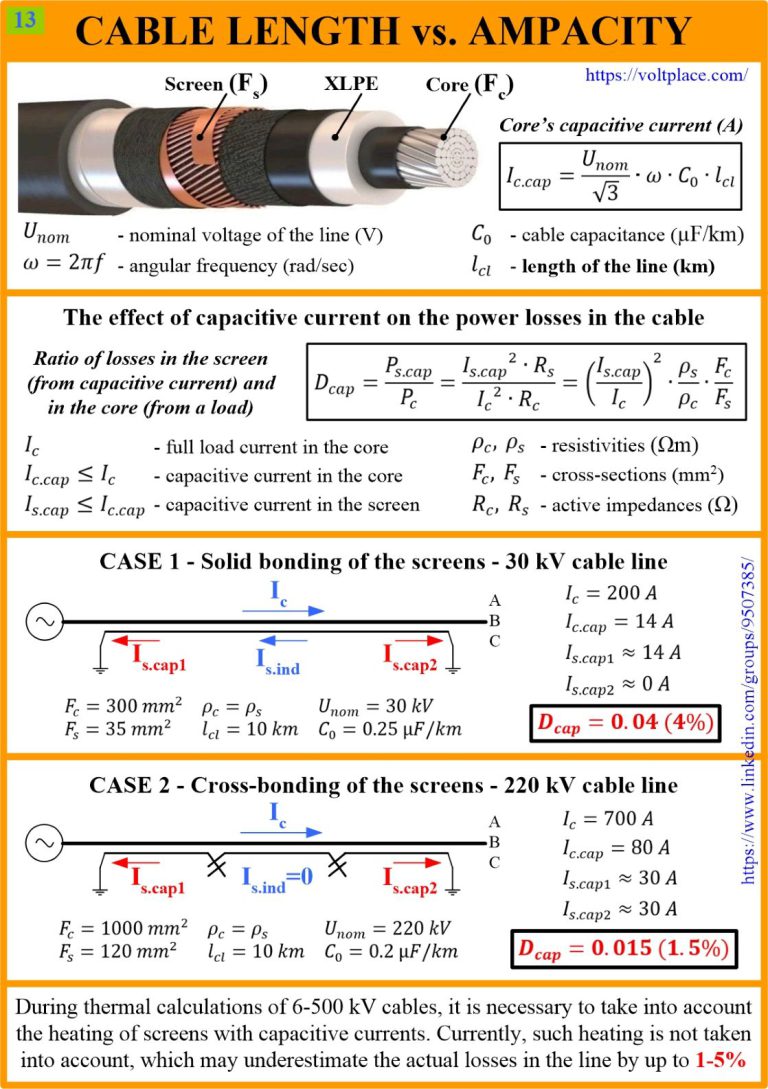
Ampacity of the cable line

Have you ever seen that the thermal calculation of a cable line (according to IEC 60287 or in software) takes into account the length of the line? I guess you haven’t. Let’s talk about it today. Usually, to check the temperature of a cable, we know the current in its core (Ic). We could get

Read More
2026 - Cable lines / 17.03.2026

Cable cleat calculations

When laying cables along structures, as well as near the terminations and joints, cables should be fixed. It is necessary because the cables are in the magnetic field of their neighbours, and according to Ampere’s law, forces arise between the cables:➡️ In normal mode.➡️ When switching cables.➡️ In case of a short circuit. The most

Read More
2026 - Cable lines / 11.03.2026

Cable protection by bricks

Today, let us talk about the bricks that can sometimes be found when laying low-voltage (up to 1 kV) and medium-voltage (up to 35 kV) cables in a trench. In general, the bricks can be used:✅ between the cables (photos 1️⃣-2️⃣-3️⃣).✅ above the cables (photos 4️⃣-5️⃣-6️⃣). Bricks between the cables can have the following purposes:1️⃣

Read More
2026 - Cable lines / 03.03.2026

Cable drum position

Let us talk about how to position a drum with a cable and, most importantly, why it is possible to do one way or another. The most familiar options are when the drum with the power cable is positioned vertically, as shown in the photos 1️⃣, 2️⃣, 3️⃣. This position allows to have the axis

Read More
2026 - Cable lines / 25.02.2026

The effect of ECC on the cable line

Today, let us talk about the Earth Continuity Conductor (ECC) and the bad things it does to the cable line during normal operation. ECC is most often used for cable lines made with single-core cables and having single-point bonding/grounding of the metal screens. ECC performs two main functions:✅ ECC reduces 50 Hz voltages (Us), which

Read More